What Are Microgreens? A Beginner's Guide
Microgreens are young edible plants harvested shortly after their first leaves develop. They are grown from everyday vegetable, herb and green seeds, and they're increasingly used to add freshness, texture, flavour and plant nutrients to ordinary meals — a handful over a salad, a sandwich, a bowl of dal or a plate of poha.
Sprinkle Greens · Updated: 24 August 2026
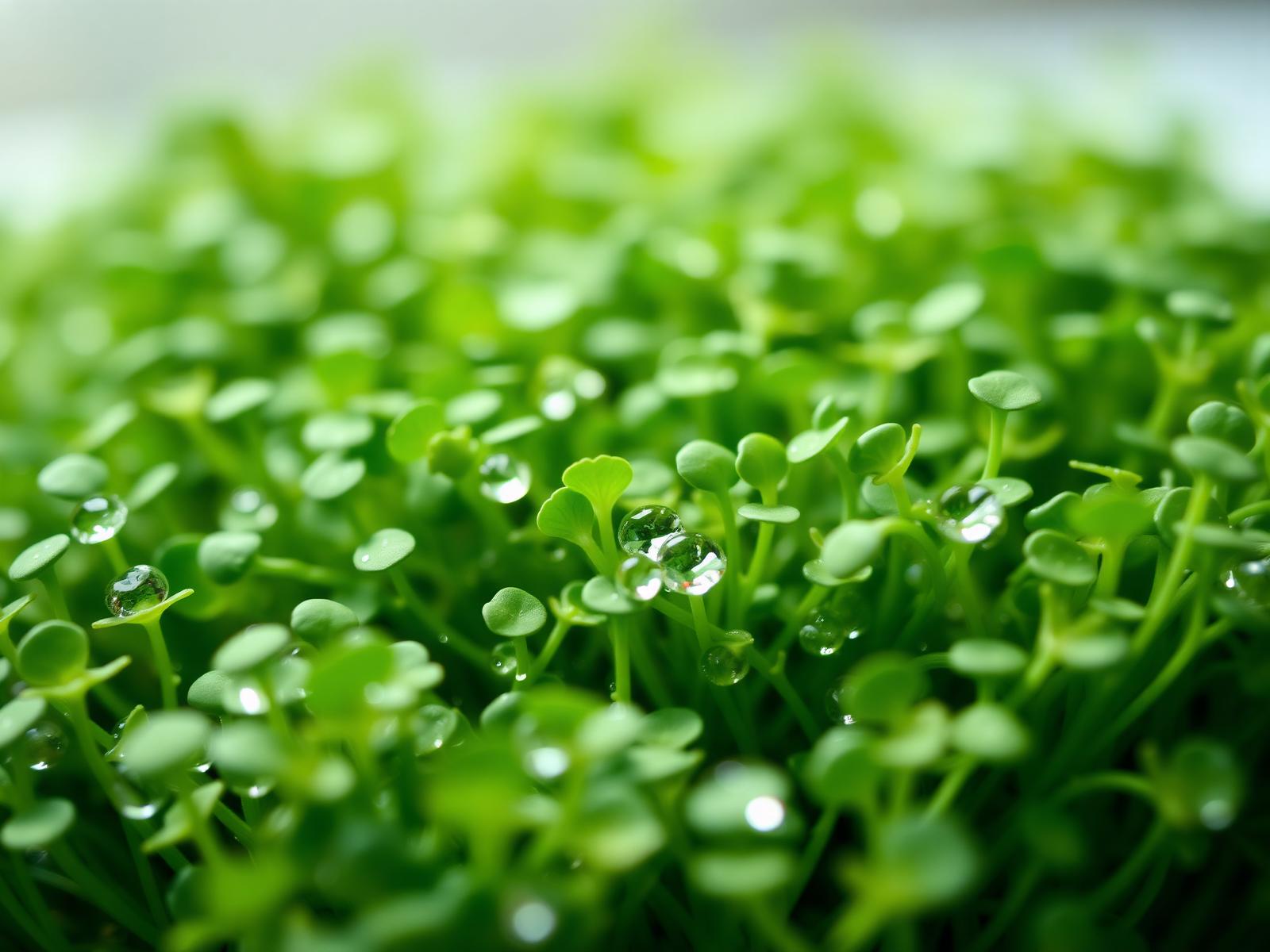
What Exactly Are Microgreens?
A microgreen is simply a vegetable, herb or green that has been allowed to grow for a short while and then cut early. The seed germinates, pushes up a stem, opens its first pair of seed leaves, and then produces its first true leaves. That's the point at which microgreens are usually harvested — often somewhere between one and three weeks after sowing, depending on the plant. You eat the tender stem and the leaves; the roots and growing medium stay behind in the tray.
The difference from a mature vegetable is mostly one of time and scale. A radish left to grow for two months puts its energy into a root you pull out of the ground. Harvested as a microgreen, the same seed gives you a few inches of pink stem and green leaf instead. Broccoli grown to maturity gives you a head; grown as a microgreen it gives you a soft, leafy green. Same plant, very different ingredient — smaller, softer, and more concentrated in flavour per bite.
Because they come from so many different plants, microgreens vary enormously in colour, flavour, shape and texture. Amaranth is a deep magenta. Sunflower has thick pale stems and broad leaves. Pea shoots throw out curling tendrils. Radish, broccoli, pea shoots, sunflower, pak choi, kale and amaranth all behave differently in the tray and on the plate. Flavour follows the parent plant: radish microgreens are noticeably peppery, mustard is sharp and warming, while pea shoots taste fresh and mildly sweet, and pak choi and broccoli sit at the mild end.
Microgreens vs Sprouts: What's the Difference?
This is the most common mix-up for beginners, and the two are genuinely not the same thing. Sprouts are seeds that have just germinated, grown in water, usually in the dark, and eaten whole — seed, root and all. Microgreens are grown in a medium, with light and airflow, kept going until they have leaves, and then cut above the medium.
| Feature | Microgreens | Sprouts |
|---|---|---|
| Growing method | Grown with light and airflow, like a very young crop | Germinated in water, usually in a jar or bag |
| Growing medium | Soil or a soil-free medium such as coco peat or a grow mat | No growing medium — water only |
| Harvest stage | After the first true leaves develop | As soon as the seed sprouts a root |
| Typical harvest time | Roughly 1–3 weeks, depending on the variety | Roughly 2–5 days |
| Texture | Leafy and crisp or tender, depending on the variety | Soft, watery and stringy |
| How they are eaten | Stems and leaves, cut above the medium | Whole, including seed and root |
In practice that means they taste and behave differently in food. Sprouts are soft and watery; microgreens are leafy, and depending on the variety either crisp or delicately tender. If a recipe calls for one, the other isn't a straight swap.
Are Microgreens Nutritious?
Microgreens are young leafy plants, so like other leafy greens they can provide vitamins, minerals, antioxidants and other plant compounds. What they contain, and how much, varies considerably: the plant variety matters, and so do the seed, the growing medium, light levels, water, the stage at which they're cut, and how they're stored afterwards. Two trays of the same green grown in different conditions won't be identical.
That variability is the honest answer to "how healthy are they?" — and it's why we'd rather not print a single number. Microgreens are a good way to get more plant variety into your week, particularly if your meals tend to repeat the same two or three vegetables. They are not a supplement, and no food prevents, treats or cures illness on its own.
Popular Types of Microgreens
These are the varieties we grow at Sprinkle Greens, and they're a good cross section of what beginners tend to enjoy — a couple of mild ones, a couple with real bite, and a couple that are mostly about colour and crunch.
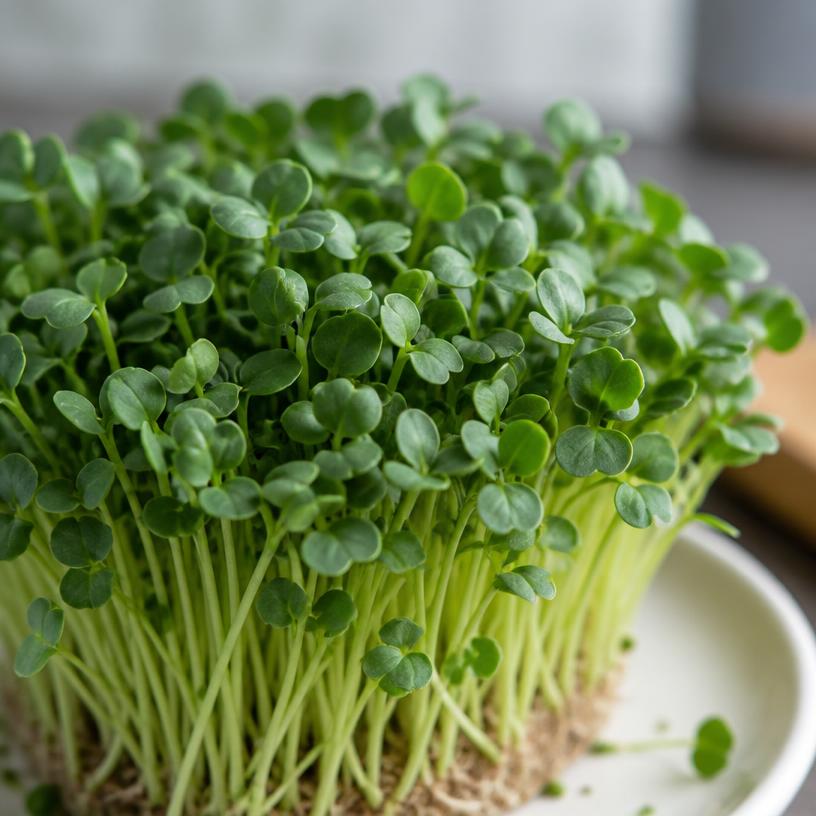
Broccoli Microgreens
Mild, fresh and slightly green-tasting, which makes them one of the easiest varieties to start with. Good in sandwiches, rice bowls and folded through salads.
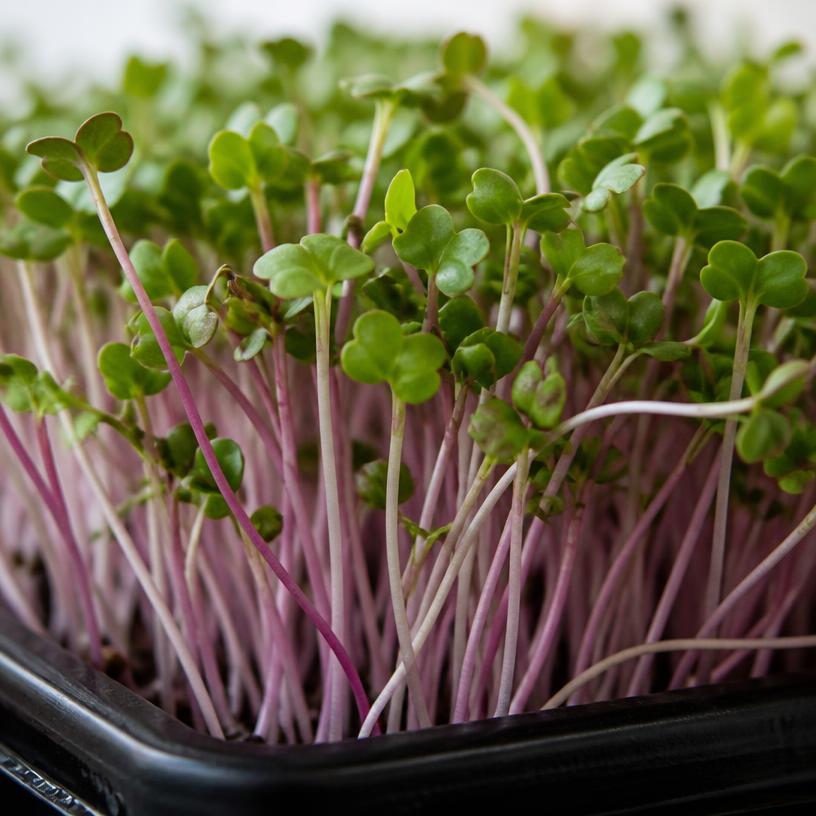
Radish Microgreens
Pink stems, bright leaves and a clear peppery bite. A small handful adds noticeable flavour, so they work well on toast, chaat, dal and curd rice.
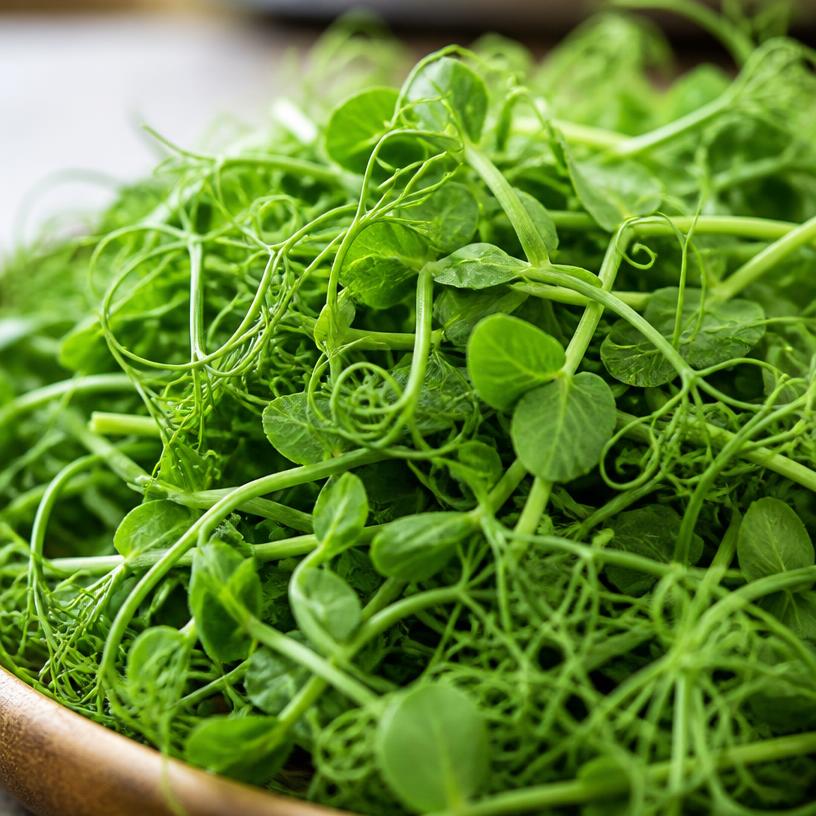
Pea Shoots
Fresh, mildly sweet and clearly pea-like, with tender stems and tendrils. Lovely raw in salads or scattered over noodles and pulao just before serving.
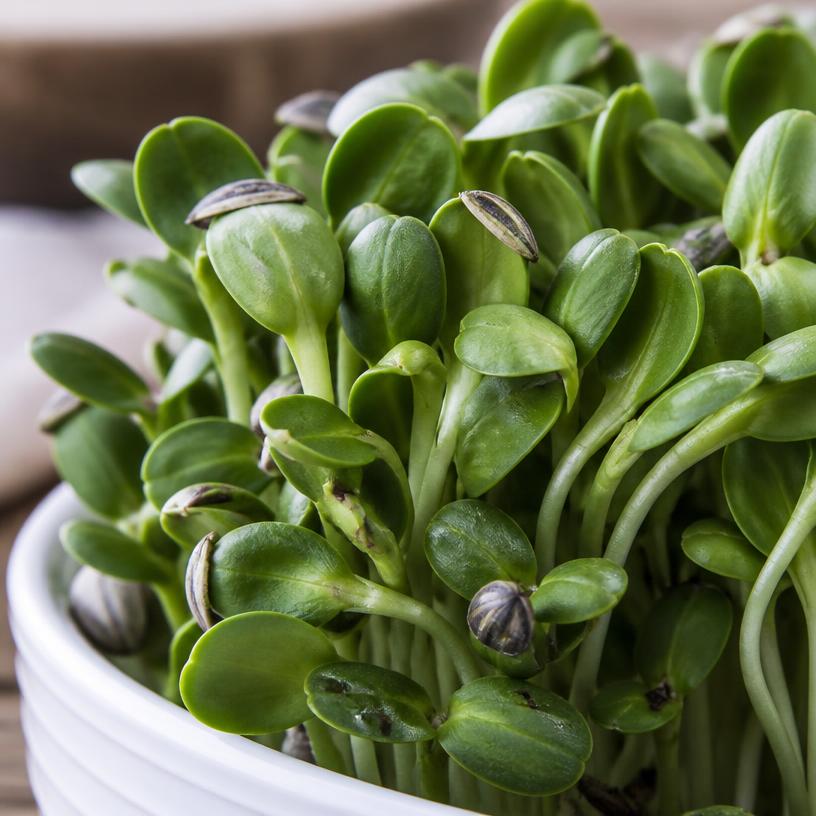
Sunflower Microgreens
Slightly nutty with a satisfying crunch and thicker stems than most varieties. They hold their texture well, so they suit wraps and grain bowls.
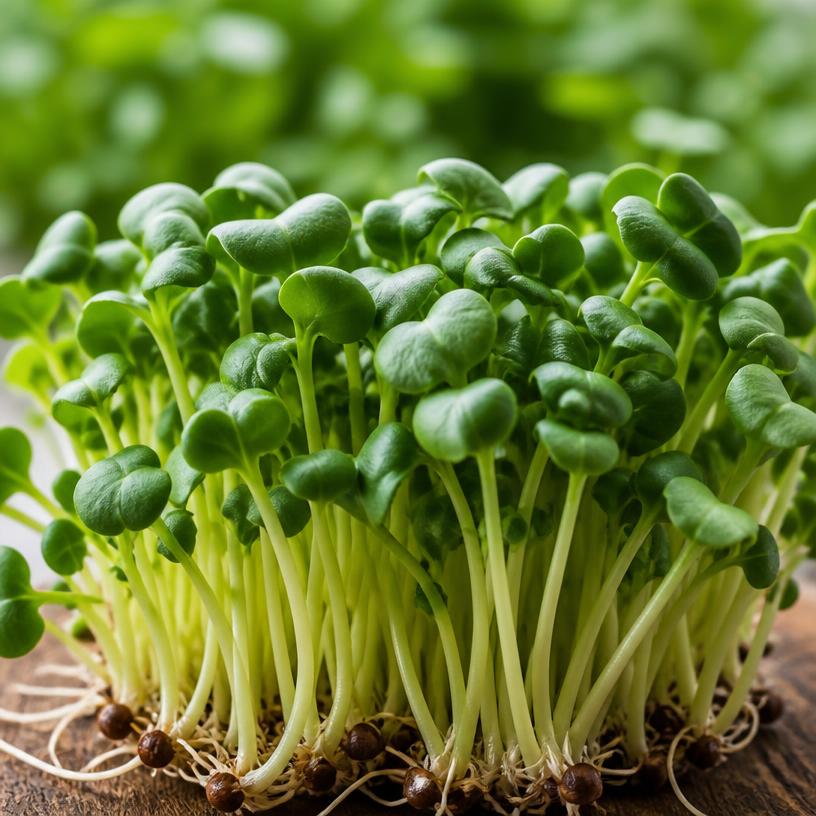
Pak Choi Microgreens
Mild and delicate with soft, rounded leaves. A good choice when you want freshness and texture without changing the flavour of the dish much.
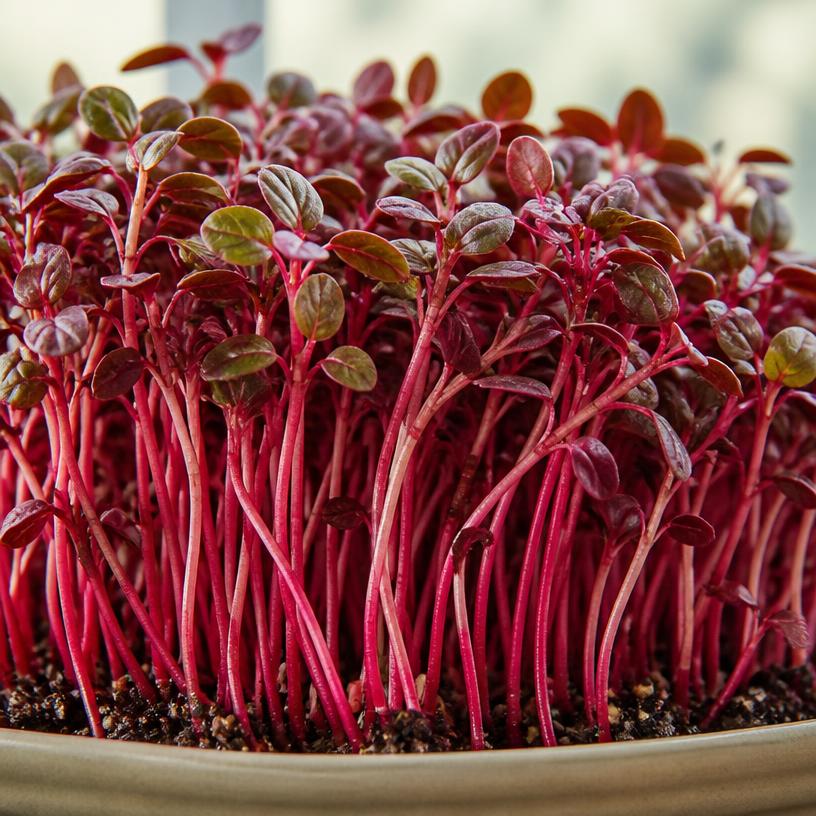
Amaranth Microgreens
Striking magenta stems and leaves with a mild, gentle flavour. Mostly used for colour and finish on soups, dips and plated dishes.
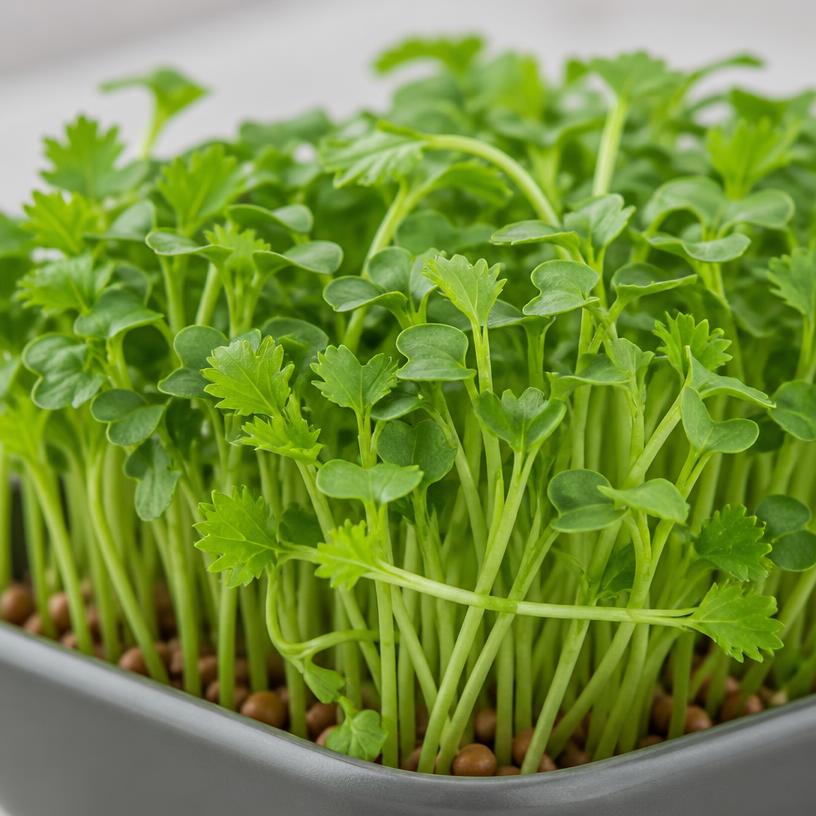
Mustard Microgreens
A sharp, warm mustard kick that cuts through richer food. Try them with parathas, eggs, sandwiches and hearty lentil dishes.
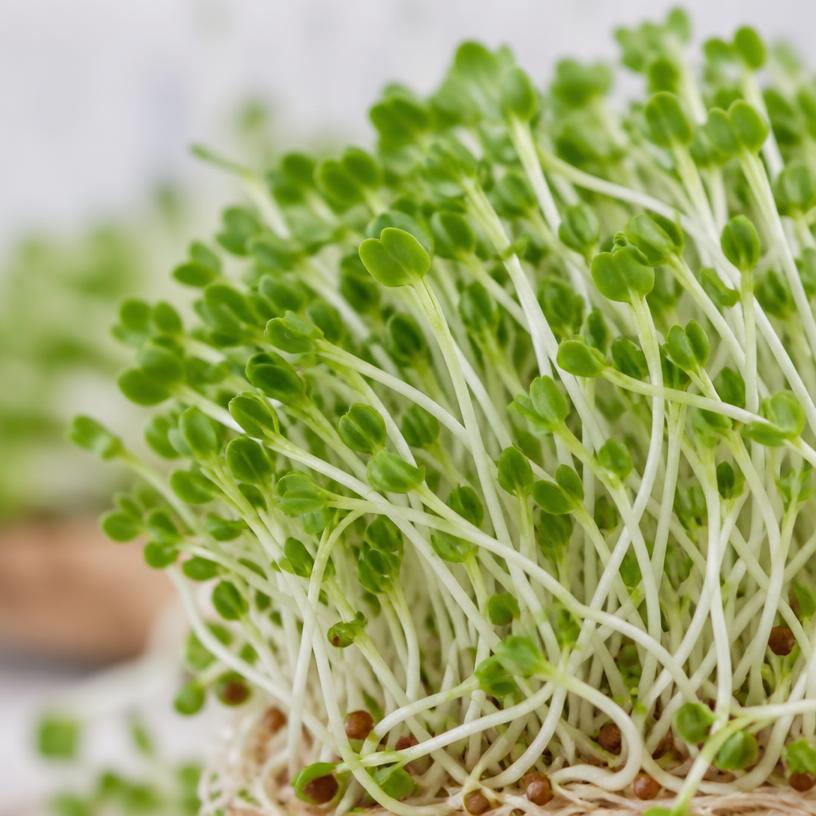
Alfalfa Microgreens
Fine stems, small leaves and a light, faintly sweet taste. Easy to pile generously into sandwiches, salads and wraps.
Radish is worth a note of its own: it's grown in more than one form, and pink radish and purple-stemmed varieties look quite different in a bowl while tasting similarly peppery. If you're ordering for the first time, a mix is usually more interesting than a single tray.
How Are Microgreens Grown?
The process is short and fairly simple, which is part of the appeal. In outline:
- Seeds are selected for the variety and prepared — some are soaked first, others are sown dry.
- They're sown into a suitable growing medium, spread evenly rather than piled up.
- They germinate over a few days, often covered at first, then uncovered as stems appear.
- The young plants get appropriate light, moisture, airflow and growing conditions.
- They're harvested while young, once the first true leaves have developed.
- They're packed and kept cool so they stay fresh on the way to the customer.
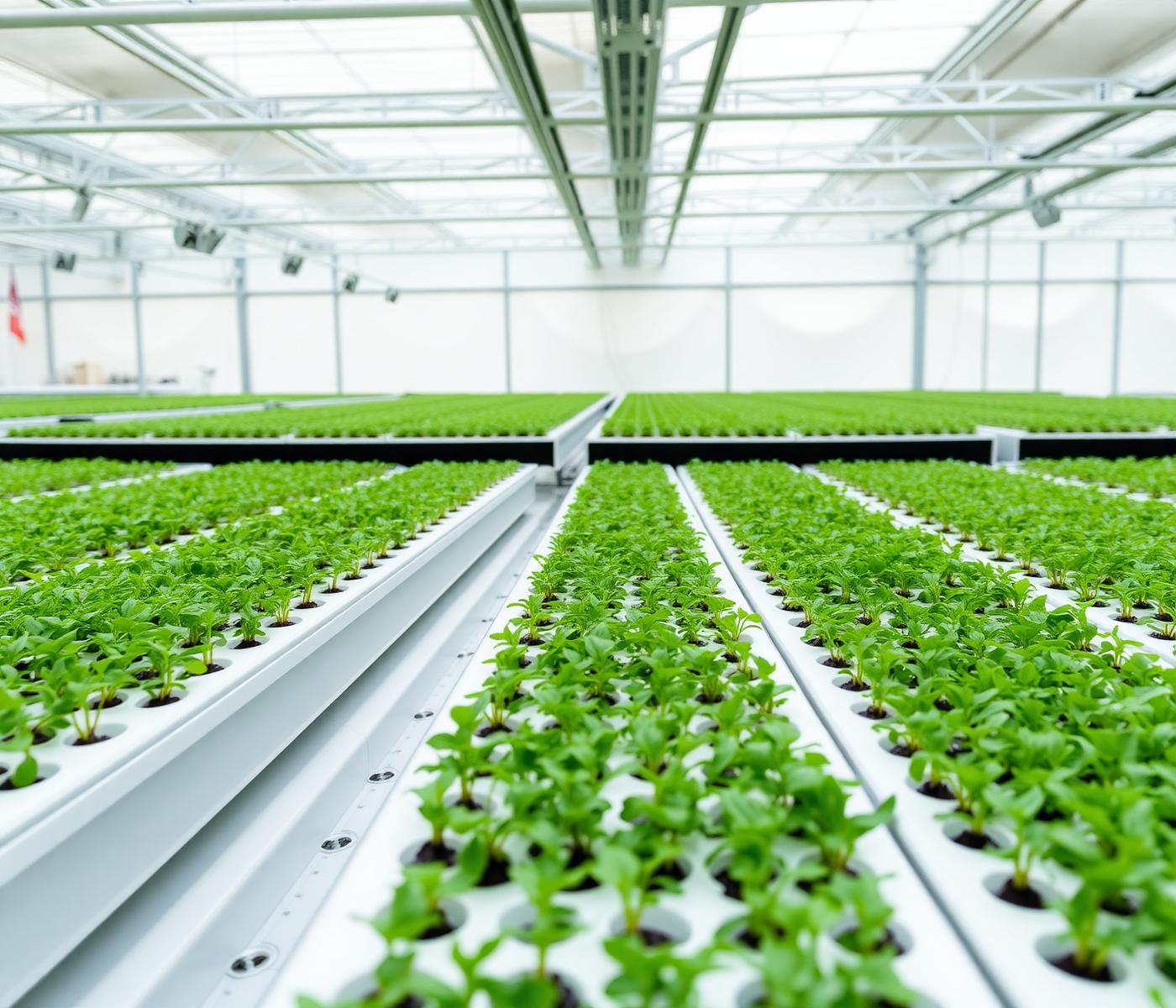
How we grow microgreens at Sprinkle Greens
We grow in small batches rather than large continuous runs, which lets us keep an eye on each tray and cut it at the right moment. Seeds are hand-sown, trays are grown in a clean space with natural light and airflow, and we harvest close to delivery so the greens spend as little time as possible between being cut and being eaten. Orders are confirmed before we cut, which is the simplest way we've found to avoid shelf time altogether.
How to Eat Microgreens
You don't need new recipes. The easiest way to start is to add them to food you already make:
- Salads — as the base or folded through at the end.
- Sandwiches and wraps — a generous layer instead of lettuce.
- Smoothies — a small handful of mild greens blends in easily.
- Dosa toppings — scattered over just before you fold it.
- Poha and upma — added off the heat so they stay crisp.
- Dal — a pinch on top of each bowl for freshness and colour.
- Rice bowls — over curd rice, pulao or a simple bowl of dal chawal.
- Soups — stirred in at the table rather than while it simmers.
- Avocado toast — with radish or mustard for a peppery edge.
- As a garnish — on anything you'd otherwise finish with coriander.
How Should You Store Microgreens?
Microgreens are tender, so how you store them makes a visible difference within a day or two:
- Refrigerate them promptly after they arrive.
- Keep them as dry as reasonably possible — surface moisture is what turns them slimy.
- Don't crush or compress them; give the leaves room in the container.
- Use clean containers, and avoid transferring them between packages unnecessarily.
- Remove any visibly damaged or spoiled portions so the rest keeps better.
- Follow any storage instructions provided by the grower for that variety.
- Use them while they still look, smell and feel fresh.
You'll see confident shelf-life numbers quoted online. We'd avoid treating any single figure as a guarantee — sunflower and pea shoots hold up rather longer than fine, leafy varieties, and storage conditions matter as much as the plant does.
Can You Grow Microgreens at Home?
Yes, and on a very small scale. Because the growing cycle is short and the plants stay small, a shallow tray on a windowsill or balcony is enough to grow a usable amount. What you need, broadly:
- Seeds suited to microgreen growing, in reasonable quantity.
- A shallow growing tray with drainage.
- A growing medium — soil, coco peat or a grow mat.
- Water, applied gently and not in excess.
- Light once the stems are up — a bright window often does.
- Airflow around the tray, which helps prevent mould.
- Clean growing conditions: clean trays, clean hands, clean water.
If you're starting out, radish, broccoli, pea shoots or sunflower are the kindest varieties to learn on — they germinate reliably and are quick to reach harvest. This guide isn't a full growing tutorial, and one tray will teach you more about watering and light than any set of instructions.
Frequently Asked Questions About Microgreens
Microgreens are young edible plants harvested soon after their first true leaves appear. They are grown from ordinary vegetable, herb and green seeds, and both the stem and leaves are eaten. Most are used raw or added at the end of cooking.
No. Sprouts are germinated seeds grown in water, usually without light or a growing medium, and are eaten whole including the seed and root. Microgreens are grown in a growing medium with light, allowed to develop leaves, and cut above the medium so the roots and seed are left behind.
Many microgreens are commonly eaten raw, provided they have been grown, handled, stored and washed appropriately. If you are unsure about how a batch was grown or stored, or if you are cooking for someone who needs to be careful with raw foods, cook them lightly instead.
It varies by variety, how they were grown and harvested, and how they are stored. Thicker-stemmed greens generally hold up longer than very delicate ones. Keep them refrigerated, fairly dry and uncrushed, follow the grower's storage guidance, and use them while they still look and smell fresh.
Yes, on a small scale. You need seeds, a shallow tray, a suitable growing medium, water, reasonable light, some airflow and clean growing conditions. A single tray on a windowsill is enough to get a feel for it.
Radish, broccoli, pea shoots and sunflower are usually the most forgiving to start with. They germinate readily and are quick to reach harvest stage, so you find out sooner whether your setup is working.
Refrigerate them promptly, keep them as dry as reasonably possible, and avoid packing or crushing them. Use a clean container, remove any damaged or spoiled portions, follow any instructions from the grower, and use them while fresh.
More reading: microgreens in Bangalore · all articles · Sprinkle Greens home