How to Eat Microgreens: 15 Easy Ways to Add Them to Everyday Meals
You've got a box of microgreens in the fridge and now you're wondering what to actually do with it. The good news is that you don't need complicated recipes — the simplest way to use microgreens is to add them to food you already eat.
Sprinkle Greens · Updated: 26 August 2026
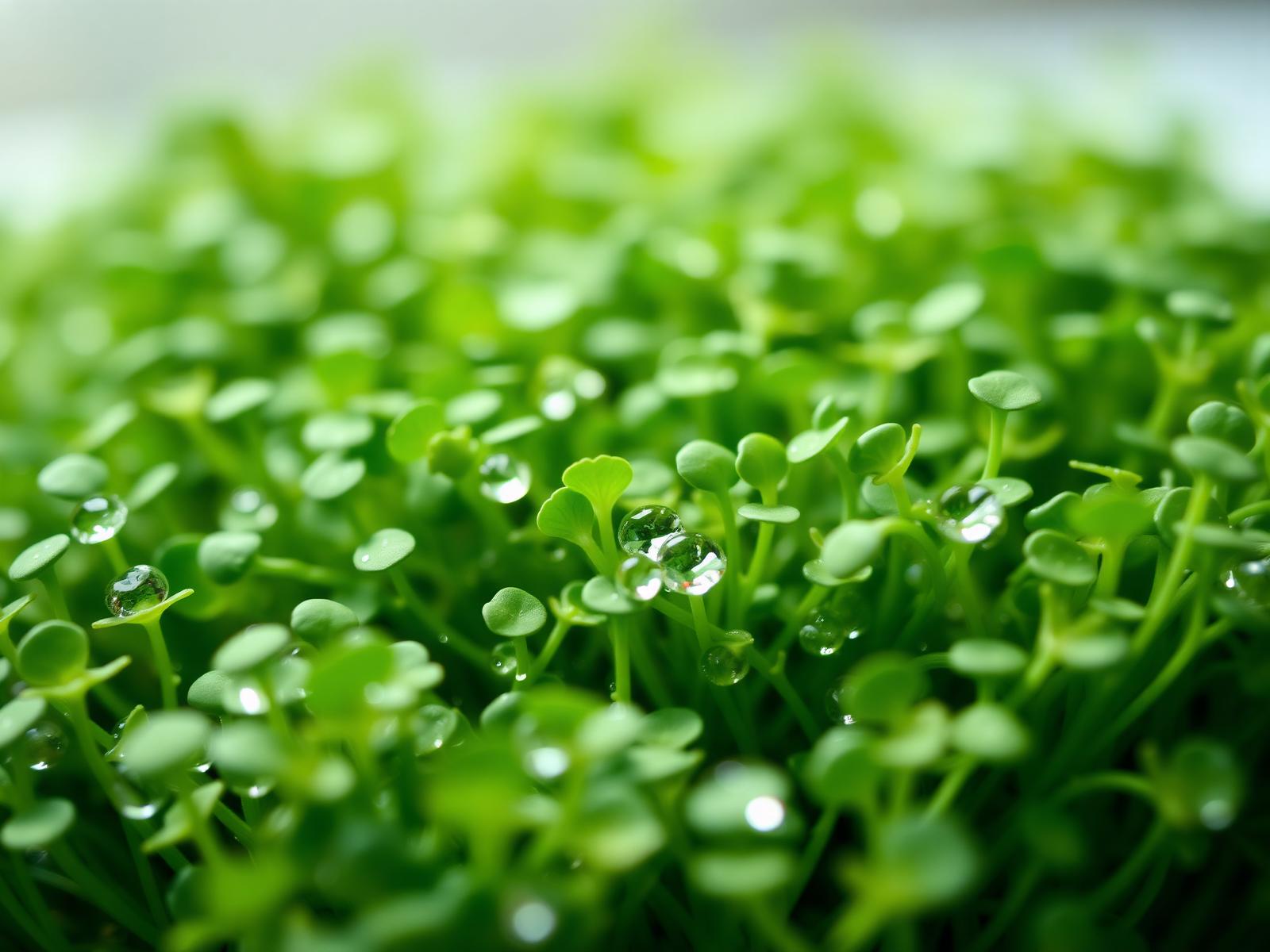
Different varieties behave differently. Radish microgreens are peppery, pea shoots are fresh and mildly sweet, sunflower is nutty and crunchy, broccoli and pak choi are mild. That variation is what makes them interesting: a small handful can bring freshness, colour, crunch and a bit of variety to a plate that would otherwise look and taste the same as yesterday's.
This guide leans towards simple, everyday meals — a lot of Indian food included, because that's what most of us are actually cooking on a Tuesday night. If you're new to these greens, our beginner's guide to what are microgreens is a good place to start before you begin experimenting.
15 Easy Ways to Eat Microgreens
None of these need special equipment or a shopping trip. Work through them in any order, and stop at whichever ones fit the way you already cook.
1. Add Microgreens to Dosa
Once the dosa is off the tawa, scatter a small handful over the top before you fold it. Pea shoots, radish microgreens and broccoli microgreens all work here — pea shoots for something mild and fresh, radish if you want a peppery edge against the chutney. Add them after cooking rather than letting them sit on the heat, so the leaves stay springy instead of wilting flat.
2. Top Your Poha
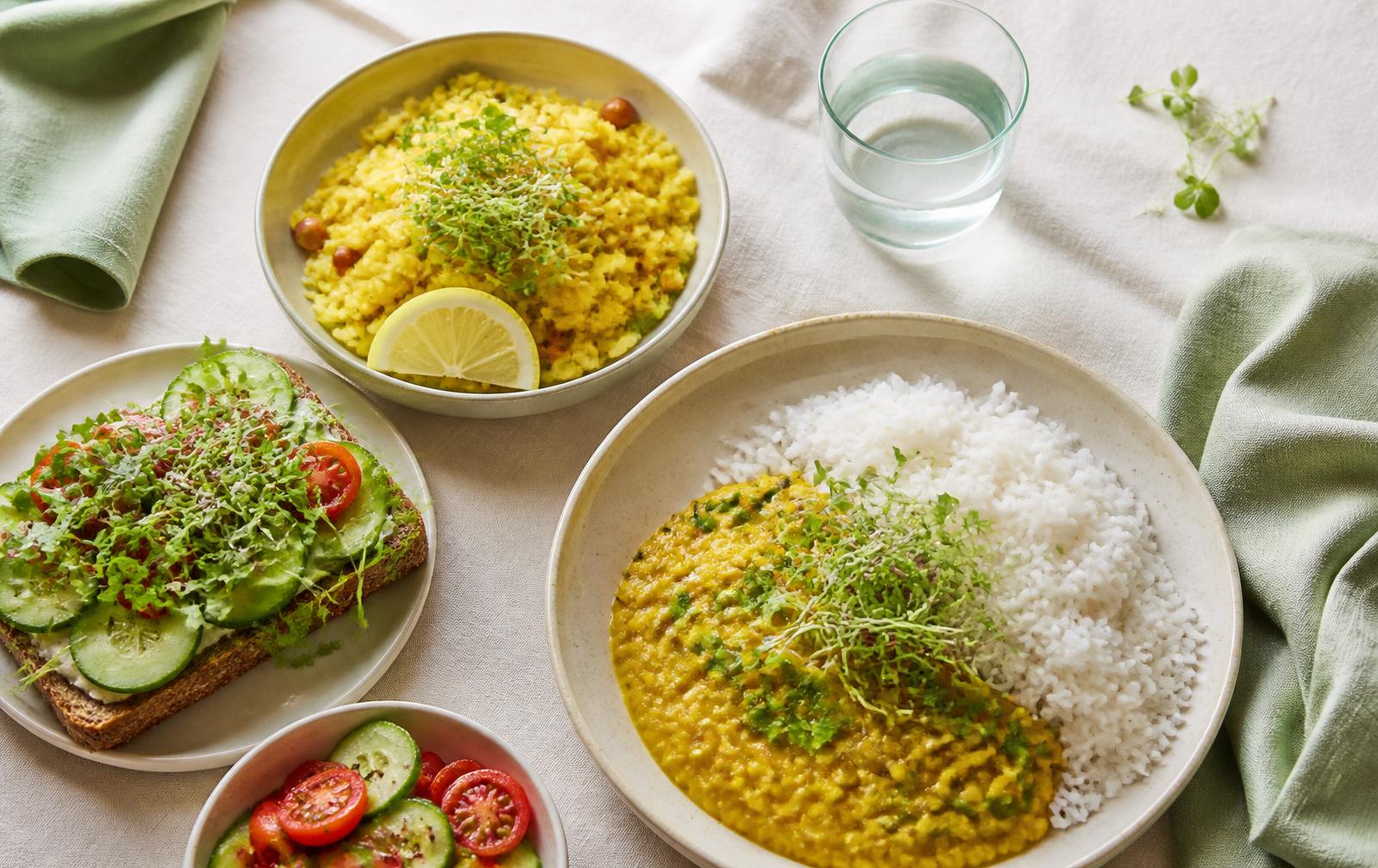
Poha is soft and gently spiced, which makes it a good base for something crisp on top. A small handful of pea shoots, radish or broccoli microgreens adds colour, a little crunch and a fresh note against the turmeric and lemon. Stir them in off the heat, or simply pile them on each plate as you serve.
3. Add Them to Dal
Delicate microgreens don't need to be simmered. Add them just before serving, or use them as a topping on each bowl. Pea shoots, broccoli and sunflower microgreens are all easy choices — sunflower holds its texture best if the dal is very hot, while pea shoots and broccoli soften into it pleasantly.
4. Make a Simple Microgreen Salad
You don't need a recipe, just a formula: microgreens + cucumber or tomato + a protein or another substantial ingredient + a squeeze of lemon or lime + light seasoning. Swapping the variety changes the whole character of the bowl — radish makes it peppery, pea shoots keep it sweet and green, sunflower makes it chewier and more filling.
5. Add Them to Sandwiches and Wraps
Microgreens can replace lettuce entirely, or sit alongside it for more texture. Radish microgreens give you a peppery bite that cuts through cheese and spreads, pea shoots stay mild and fresh, and sunflower microgreens add real crunch that survives being pressed in a wrap.
6. Add Them to Breakfast
This is the easiest habit to build, because breakfast is usually the same few things on repeat. Try them with scrambled eggs, folded into an omelette, piled onto buttered toast, on avocado toast, or scattered over a breakfast bowl. No preparation beyond a rinse and a handful.
7. Blend Them Into Smoothies
Mild varieties such as broccoli or kale microgreens blend in without dominating the drink. Combine them with banana, mango, curd, oats or whatever you normally use — start with a small handful and taste before adding more. They add greens to a smoothie you already like; that's the whole idea.
8. Add Them to Rice Bowls
Rice bowls, grain bowls, quinoa bowls, curd rice and pulao all take microgreens well. Add them toward the end, once the rice is plated, so they keep their fresh texture instead of steaming into the bowl. A generous handful over pulao looks as good as it tastes.
9. Add Them to Chaat
Bhel, sev puri and chaat bowls are built on contrast, so microgreens fit naturally. Peppery pink radish microgreens work particularly well here — they hold up against tamarind and chutney rather than disappearing. Add them last, along with the sev.
10. Add Them to Raita
Finely chop a small amount, or use a delicate variety whole, and fold it through plain curd with a little salt and roasted cumin. Broccoli and pak choi microgreens keep it mild; radish gives you a gentle bite. That's the entire preparation.
11. Add Them to Soups
Use microgreens as a fresh topping rather than an ingredient. Ladle the soup, then finish each bowl with a pinch. Delicate varieties are best added near serving rather than cooked for long — they lose both colour and texture in a simmering pot.
12. Add Them to Paneer or Tofu Bowls
Warm, soft paneer or tofu benefits from something cool and crisp next to it. Scatter microgreens over a paneer bhurji bowl, a tofu stir-fry or grilled paneer skewers just before eating. Sunflower and radish give the most contrast; pak choi keeps things gentle.
13. Add Them to Pasta or Noodles
Stir them through just before serving, off the heat, so they stay bright. Pea shoots and sunflower microgreens work particularly well — pea shoots against a creamy or pesto sauce, sunflower with noodles where you want something to bite into.
14. Add Them to a Grain or Salad Bowl
Another simple formula: base + protein + vegetables + microgreens + dressing. Rice, millet or quinoa for the base; chickpeas, paneer, tofu or eggs for protein; whatever vegetables are in the fridge; a big handful of microgreens on top; then a lemon or curd dressing to bring it together.
15. Simply Add Them to the Meal You're Already Eating
This is the one that actually sticks. You don't need a special recipe or a plan for the week — keep the box in the fridge and add a handful to whatever is already on the plate: dal, dosa, sandwiches, rice, salads, breakfast, wraps. Do that a few times and it stops feeling like an ingredient you have to use up.
Which Microgreen Should You Choose?
If you're deciding what to order, it helps to think in terms of flavour and texture rather than variety names. Here's how the ones we grow compare:
| Microgreen | Flavour | Texture | Good with |
|---|---|---|---|
| Broccoli | Mild, fresh | Tender | Breakfast, dal, smoothies |
| Pink Radish | Peppery | Crisp / tender | Sandwiches, salads, chaat |
| Sango Purple Radish | Peppery | Tender | Salads, bowls, sandwiches |
| Pea Shoots | Fresh, mildly sweet | Tender / crisp | Dosa, salads, sandwiches |
| Sunflower | Mild, slightly nutty | Crunchy | Bowls, salads, wraps |
| Pak Choi | Mild, delicate | Tender | Rice bowls, noodles, Asian dishes |
| Kale | Fresh, slightly earthy | Tender | Salads, smoothies, bowls |
Not Sure Where to Start?
If you like bold flavours
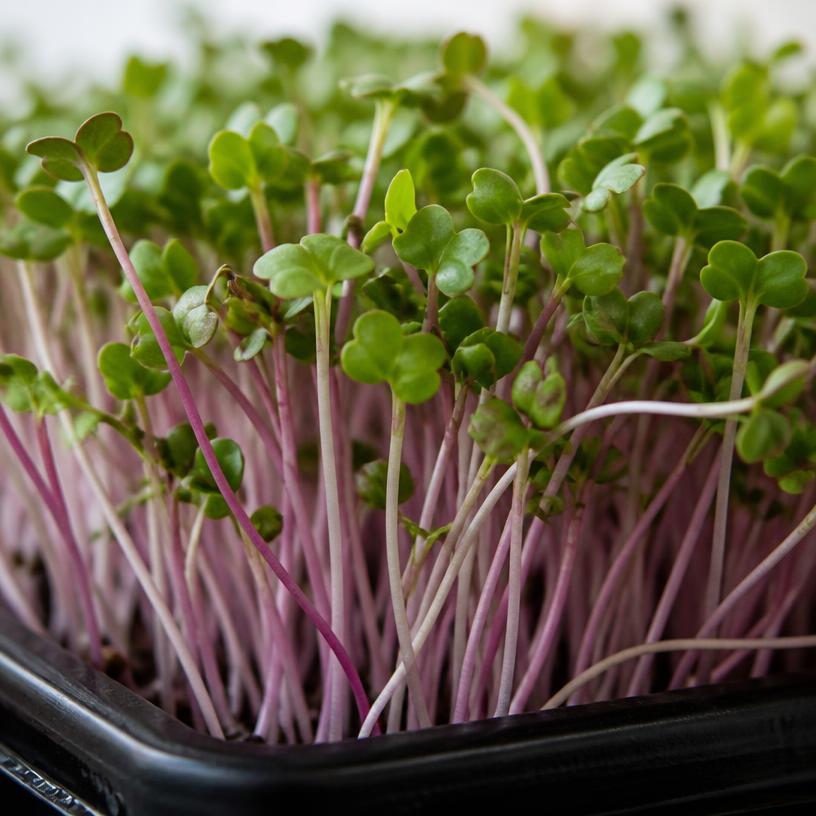
Try radish microgreens. Peppery, punchy and easy to notice on a sandwich or in chaat.
If you prefer mild flavours
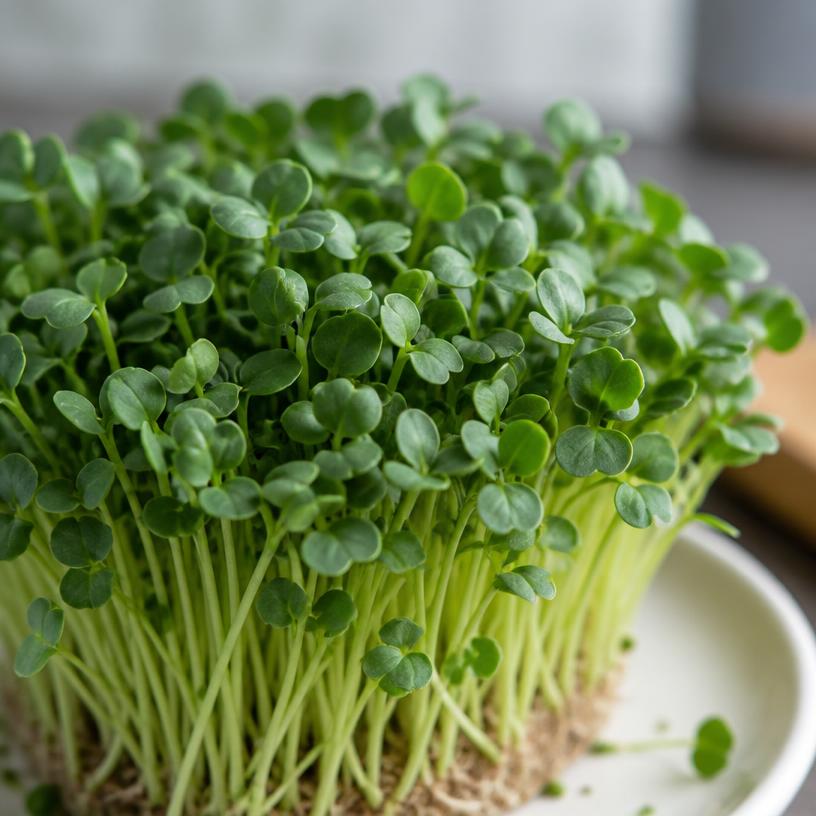
Try broccoli or pea shoots. Fresh and gentle, so they fit almost any dish without taking over.
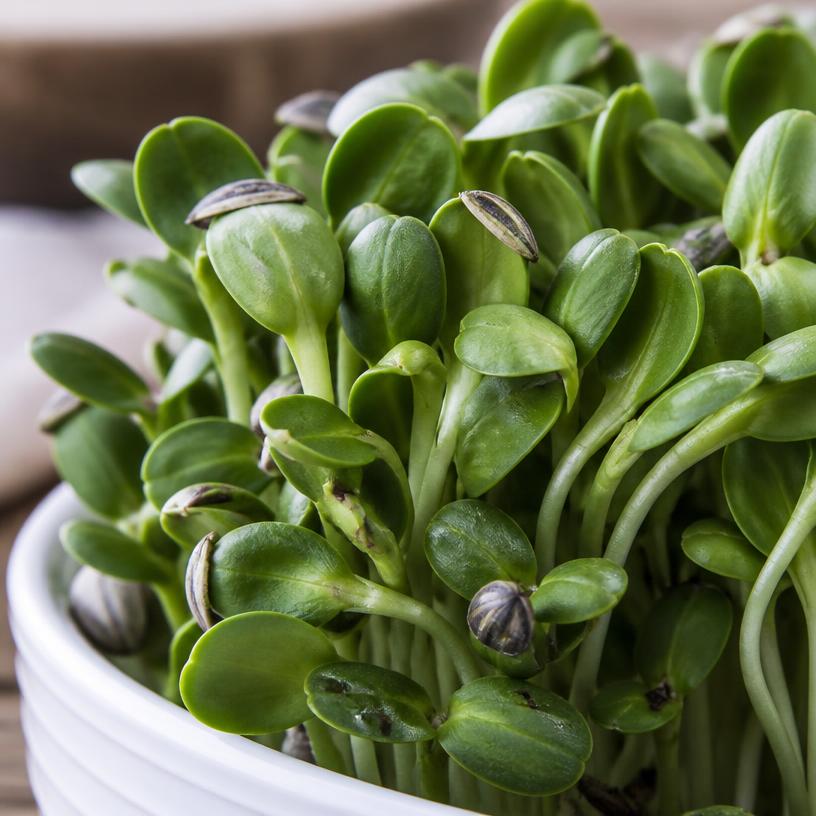
If you like crunch
Try sunflower microgreens. Thicker stems and a nutty bite that holds up in wraps and bowls.
Start with one variety and add it to a meal you already enjoy. Once you find a flavour you love, experimenting with other varieties becomes easy.
A Few Simple Tips for Eating Microgreens
- Wash and handle them according to the grower's instructions.
- Keep them refrigerated, following the storage guidance that came with them.
- Add delicate microgreens near the end of cooking, or after, when you want to keep their fresh texture.
- Start with small amounts and adjust — peppery varieties go further than mild ones.
- Different varieties taste genuinely different, so it's worth trying more than one.
Fresh Microgreens for Everyday Meals
We grow fresh microgreens in Bangalore and harvest to order, which is really the point of everything above: the easier it is to get greens that still taste fresh, the more likely they are to end up on a plate rather than at the back of the fridge. Our aim is simple — make it easy to add fresh, flavourful greens to the meals you already enjoy cooking.
Frequently Asked Questions
Many microgreens are commonly eaten raw, provided they have been appropriately grown, handled, stored and prepared. Rinse them before use, keep them refrigerated, and follow any instructions from the grower. If you are unsure how a batch was grown or stored, or you are cooking for someone who needs to be careful with raw foods, cook them lightly instead.
No, they don't necessarily need to be cooked, and they are most commonly used fresh. Where they are used with hot food, they are usually added near the end or as a topping so they keep their texture and colour.
Yes. They suit dosa, poha, dal, chaat, raita, rice bowls such as pulao and curd rice, and sandwiches. In most of these dishes they are added after cooking, in much the same way you would finish a dish with coriander.
That comes down to personal preference. Broccoli, pak choi and pea shoots sit at the mild, fresh end. Radish and mustard microgreens are peppery and more assertive. Sunflower is mild but slightly nutty with a noticeable crunch. Trying two or three varieties is the quickest way to find what you like.
Yes. Mild varieties such as broccoli or kale microgreens can be blended into a smoothie along with fruit, curd, oats or your usual ingredients. Start with a small handful and adjust to taste.
Refrigerate them promptly, keep them as dry as reasonably possible, and avoid crushing or compressing the leaves. Use a clean container, remove any damaged portions so the rest keeps better, follow the grower's storage guidance, and use them while they still look and smell fresh.
You May Also Like
More reading: all articles · Sprinkle Greens home