Microgreens vs Sprouts: What's the Difference?
Microgreens and sprouts get mixed up constantly, and it's easy to see why: both are young plants, both are sold in small quantities, and both usually end up on top of something rather than in the middle of it. They are not the same thing, though.
Sprinkle Greens · Updated: 26 August 2026
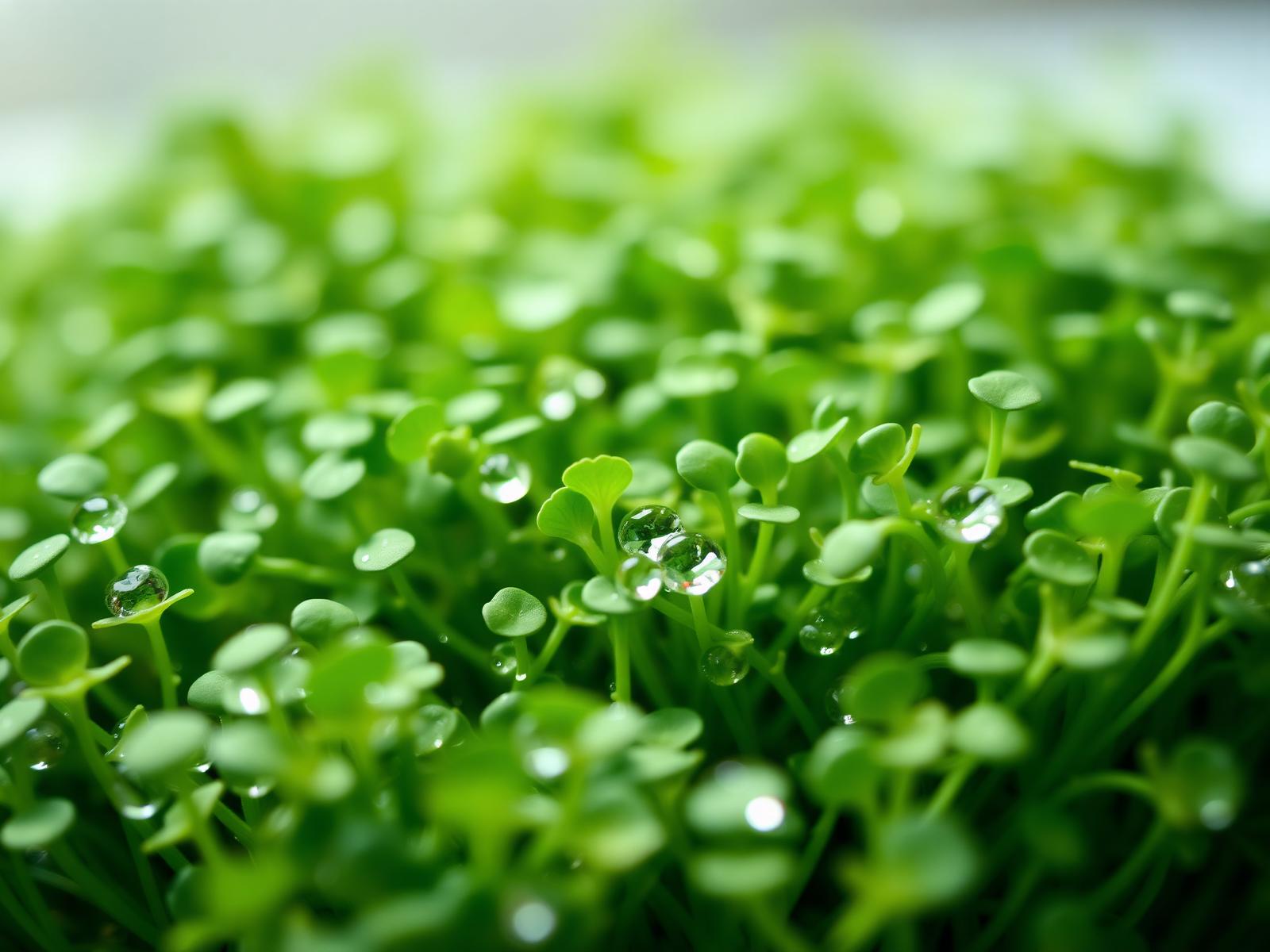
The biggest differences come down to four things: how they are grown, which part of the plant you eat, when they are harvested, and how they taste and feel to eat. Once those are clear, telling microgreens and sprouts apart becomes straightforward — and choosing between them becomes a question of what you want to cook rather than which one is supposedly better.
Both can be part of a varied diet, and neither replaces the other. If you're completely new to these greens, start with our beginner's guide to what are microgreens — this article assumes only the basics.
Microgreens vs Sprouts: The Quick Difference
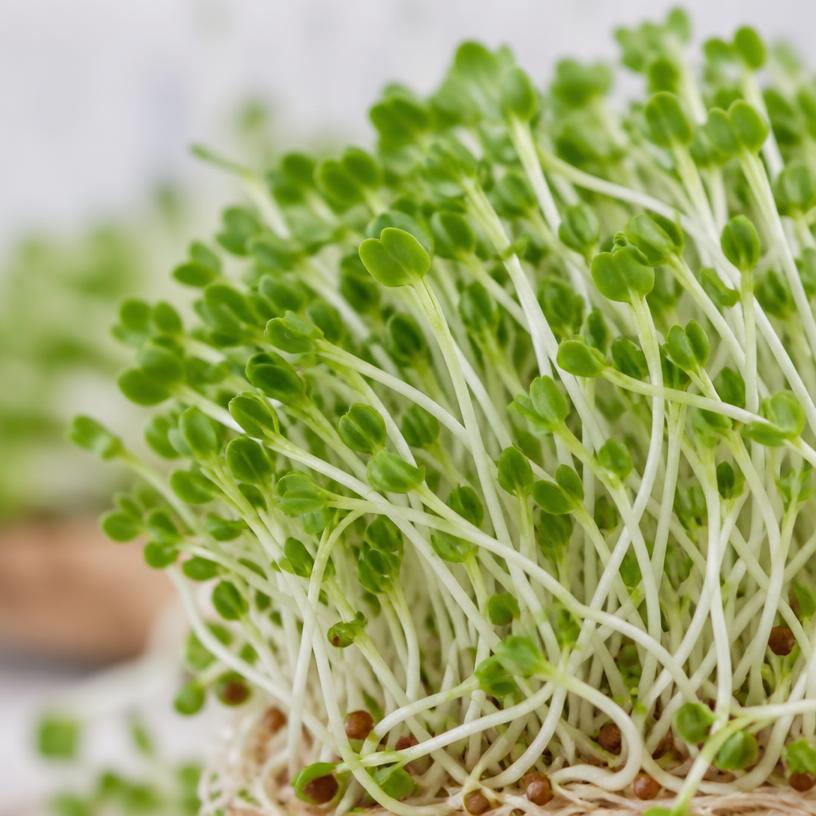
Sprouts are germinated seeds. They are usually grown in water or in very moist conditions, and they are eaten at a very early stage — seed, root and young shoot together.
Microgreens are grown for longer. They are usually sown into a growing medium and harvested after their first leaves have developed, and it is the young stem and leaves that are typically eaten. The seed casing, roots and growing medium stay behind.
Microgreens and Sprouts Compared
The table below sets the two side by side across the features people ask about most.
| Feature | Microgreens | Sprouts |
|---|---|---|
| What they are | Young edible plants | Germinated seeds |
| Growing medium | Usually soil or another growing medium | Usually water or a moist environment |
| Light | Usually grown with light after germination | Usually grown with limited or no light, depending on method |
| Harvest stage | After the young leaves develop | Very early, soon after germination |
| What is eaten | Mainly the stem and young leaves | Seed, shoot and root |
| Typical texture | Tender, crisp or leafy depending on variety | Crisp and moist |
| Flavour | Varies widely by variety | Generally fresh and mild, depending on type |
| Typical uses | Salads, sandwiches, bowls, meals and garnishes | Salads, sandwiches and other dishes |
What Are Sprouts?
Sprouts start with seeds that are soaked and then allowed to germinate. Once the seed puts out a small shoot and root, it is ready — which is why sprouts are generally harvested very early, before any real leaf growth happens.
Because they are eaten at that stage, the seed, the young shoot and the root are all typically eaten together. Nothing is cut away. Familiar examples include mung bean sprouts, moth bean sprouts, alfalfa sprouts and various other seed sprouts, many of which are already common in Indian kitchens.
Most sprouting methods rely on moisture rather than a growing medium: seeds are kept damp, rinsed regularly and drained, often in a jar, cloth or dedicated sprouting container. Methods do differ between seed types and growers, so not all sprouts are produced in exactly the same way.
What Are Microgreens?
Microgreens are young edible plants harvested once their first leaves have developed. That extra growth is the main thing separating them from sprouts: the plant has moved past germination and started behaving like a small plant rather than a seed.
They are generally grown in a suitable growing medium and exposed to appropriate light as they develop, which is part of why they take on proper leaf colour. At harvest, the stem is cut above the medium, so only the young stem and leaves are collected and eaten.
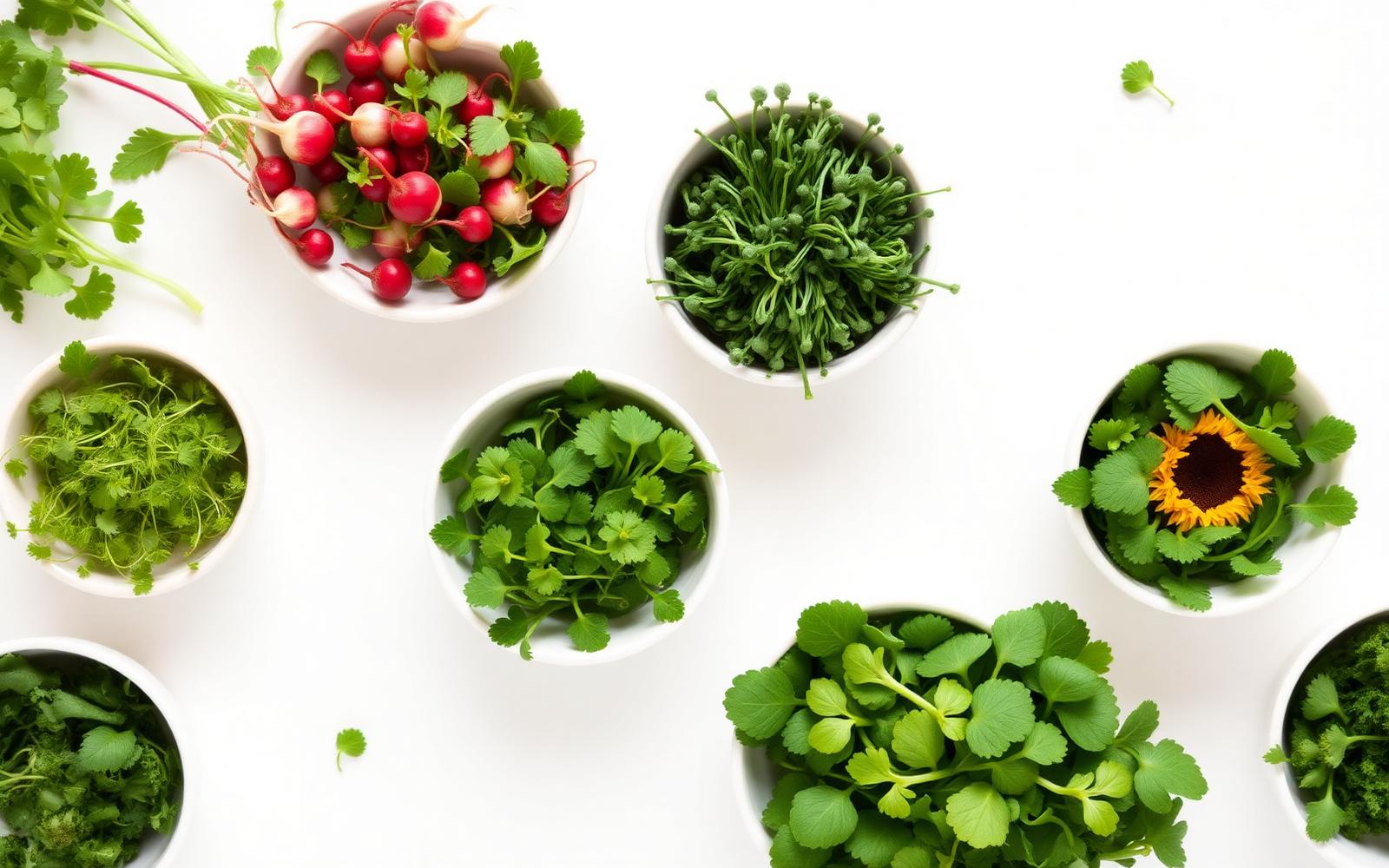
Variety matters a great deal here. Radish, pea, sunflower, broccoli, pak choi, mustard, amaranth and alfalfa microgreens all look, taste and feel different — some peppery, some sweet, some crunchy, some delicate. If you're wondering what to actually do with them, here's our guide to 15 easy ways to eat microgreens.
How Are Microgreens and Sprouts Grown Differently?
Put side by side, the growing processes overlap at the start and then diverge.
Sprouts
- Seeds are soaked and allowed to germinate.
- They are kept in a moist environment and rinsed regularly.
- The growing period is very short.
- There is usually no need for soil or another growing medium.
- They are harvested very young, with the seed, shoot and root intact.
Microgreens
- Seeds are sown into a growing medium.
- Germination is followed by a period of young plant growth.
- Light is generally used while the plants develop.
- They are harvested after the young leaves develop.
- Roots and growing medium are left behind at harvest.
Exact timings vary with the variety, the seed, the season and the growing conditions, so it's more useful to think in terms of stages than in fixed numbers of days. The practical difference is that sprouts are a germination process, while microgreens involve actually growing a young plant.
How Do They Taste Different?
Flavour varies considerably on both sides, but microgreens cover a wider range because each variety is a different plant grown to leaf stage. Some examples from the varieties we grow:
- Radish: peppery, with a noticeable bite.
- Pea shoots: fresh and mildly sweet.
- Sunflower: mild and slightly nutty, with a satisfying crunch.
- Broccoli: mild and fresh, easy to add to almost anything.
- Pak choi: delicate and mild.
Sprouts depend on the seed used, but many common ones — mung bean and alfalfa among them — are fresh, crisp and relatively mild, with a moist texture from the way they are grown. That mildness is useful: it means they blend into a dish rather than reshaping its flavour.
So if you want a topping that changes how a dish tastes, a peppery or nutty microgreen will do more work. If you want bulk and crunch without altering the flavour much, sprouts are an easy fit.
How Do You Eat Microgreens and Sprouts?
Ways to eat microgreens
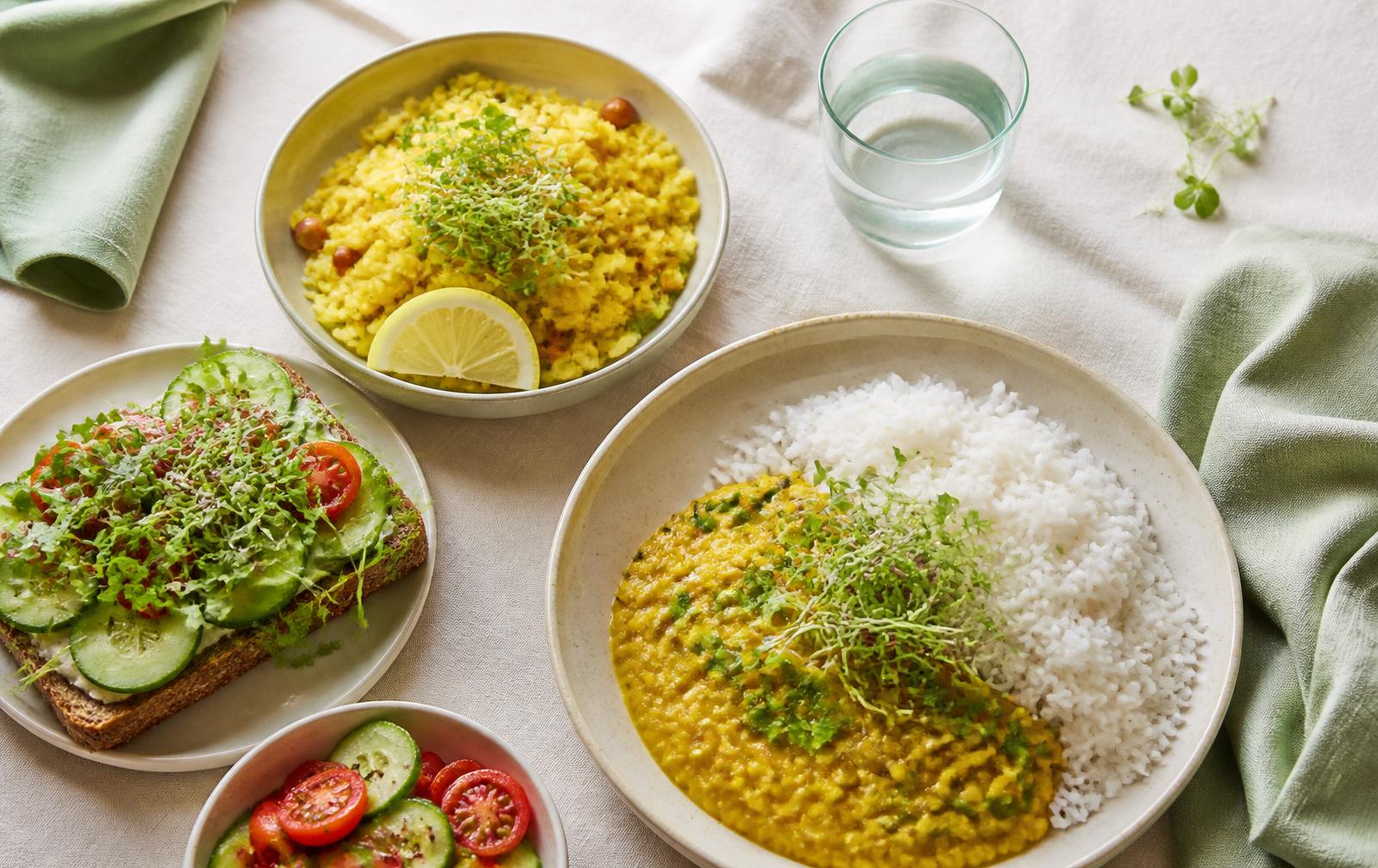
Microgreens are usually added fresh, at the end. Salads, sandwiches, wraps, dosa, poha, dal, rice bowls, smoothies, breakfast dishes and garnishes all take them well. For a longer list of everyday ideas, see our guide to how to eat microgreens.
Ways to eat sprouts
Sprouts appear in salads and sandwiches, and they also hold up in cooked preparations — stir-fries, chaat, sundal-style dishes, curries and other common cooked dishes. Their firmer, moister texture is what lets them take a little heat without collapsing.
Are Microgreens More Nutritious Than Sprouts?
This is the question that attracts the most exaggerated claims, so it's worth being careful. Both microgreens and sprouts can provide nutrients and can sit comfortably in a varied diet.
Nutritional composition varies by plant variety, growing conditions and stage of growth. Two trays of the same seed grown differently can differ; two different plants can differ a great deal more. Some studies have found substantial concentrations of certain nutrients in particular microgreens, but that finding does not generalise into "every microgreen is more nutritious than every sprout".
A meaningful comparison has to name the specific plants and the conditions they were grown in. In practice, for home cooking, the more useful question is which one you'll actually eat regularly — variety across your whole diet tends to matter more than ranking two young greens against each other.
Microgreens or Sprouts — Which Should You Choose?
Choose on practical grounds rather than on a hierarchy. Reasonable things to weigh up:
- Flavour preference — mild and neutral, or distinctly peppery and green.
- Texture — moist crispness, tender leaves or a firmer crunch.
- How you want to use them — raw topping, salad bulk or cooked dish.
- Availability — what you can get reliably where you live.
- Freshness — how recently it was harvested and how it has been stored.
- Personal preference — including what the people you cook for enjoy.
People who enjoy fresh flavours, colourful toppings and switching between different varieties often gravitate towards microgreens, simply because the range of flavours and textures is wider — peppery radish one week, sweet pea shoots the next. That's a preference, not a verdict: sprouts remain a genuinely good option, especially for cooked dishes and where you want something familiar and mild.
Are Microgreens and Sprouts Safe to Eat?
Both are widely eaten, and both are raw produce, so ordinary food-safety care applies:
- Buy from a trusted grower or supplier.
- Follow the storage instructions provided with them.
- Keep them refrigerated as recommended.
- Handle them with clean hands and clean utensils.
- Follow the producer's guidance on washing and preparation.
- Use them while they still look and smell fresh.
People who are pregnant, immunocompromised, elderly or otherwise at higher risk from foodborne illness should follow advice from their healthcare professional regarding raw sprouts and other raw produce. Nothing raw is inherently risk-free, and sensible handling matters for microgreens just as much as for sprouts.
Can You Grow Microgreens and Sprouts at Home?
Both can be grown at home, with different amounts of setup.
Sprouts need relatively simple equipment: seeds, water, a container and moist conditions kept clean and rinsed. Many households already do this occasionally.
Microgreens usually need a little more — seeds, a tray, a growing medium, water, light, airflow and clean growing conditions. None of that is elaborate, and microgreens can certainly be grown on a small scale at home on a balcony or windowsill; it just involves more steps and more consistency than sprouting.
In Simple Terms
Sprouts
Germinated seeds harvested very young.
Microgreens
Young plants grown a little longer and harvested after their first leaves develop.
Both
Can add variety, texture and fresh flavours to meals.
Fresh Microgreens in Bangalore
Sprinkle Greens grows fresh microgreens in Bangalore and harvests to order, across varieties like radish, pea shoots, sunflower, broccoli, pak choi and alfalfa. If you're deciding between microgreens and sprouts, it's worth trying one or two microgreen varieties that suit the food you already cook — a mild one for everyday dishes and a peppery one where you want it noticed — rather than committing to a whole new routine at once.
Frequently Asked Questions
No. Both are young plants, but they are grown and harvested differently. Sprouts are germinated seeds eaten at a very early stage, usually including the seed, shoot and root. Microgreens are grown for longer, typically in a growing medium and with light, and are harvested after their first leaves develop.
The main differences are the growing method and the harvest stage. Sprouts are usually germinated in water or very moist conditions and eaten whole very early. Microgreens are usually sown into a growing medium, grown on with light, and cut above the medium once their young leaves have developed, so mainly the stem and leaves are eaten.
Not automatically. Both can contribute nutrients to a varied diet, and nutritional composition varies with the plant variety, growing conditions and stage of growth. Some studies have reported high concentrations of certain nutrients in particular microgreens, but that does not mean every microgreen is more nutritious than every sprout. A meaningful comparison depends on the specific plant and how it was grown.
Many microgreens are commonly eaten raw, provided they have been appropriately grown, handled, stored and prepared. Buy from a trusted grower, keep them refrigerated, handle them with clean hands and utensils, and follow the producer's guidance on washing and preparation.
Sprouts are often eaten raw, and they are also commonly cooked in dishes such as stir-fries and chaat. Because raw sprouts carry food-safety considerations, follow the producer's storage and preparation guidance. People who are pregnant, immunocompromised, elderly or otherwise at higher risk from foodborne illness should follow advice from their healthcare professional about raw sprouts and other raw produce.
Sprouts generally need less equipment, since many methods rely only on seeds, water and a container kept moist. Microgreens usually need seeds, a tray, a growing medium, water, light, airflow and clean growing conditions — still manageable at home, but a few more steps.
That depends on your preference. Microgreens cover a wide flavour range, from peppery radish to mildly sweet pea shoots and gently nutty sunflower. Many common sprouts taste fresh, crisp and relatively mild. If you enjoy variety in flavour and texture, microgreens give you more to choose from.
Often, yes. Both work in salads, sandwiches and bowls. Sprouts hold up well in cooked dishes such as stir-fries, while delicate microgreens are usually added at the end or after cooking so they keep their texture and colour.
You May Also Like
Sprinkle Greens · Beginner's guide
What Are Microgreens? A Beginner's Guide
How microgreens are grown, popular varieties, and how to keep them fresh at home.
Read the guide →Sprinkle Greens · Everyday ideas
How to Eat Microgreens: 15 Easy Ways
Dosa, poha, dal, chaat, salads, sandwiches and smoothies — simple ways to use microgreens.
Read the guide →More reading: all articles · Sprinkle Greens home